House clearance in Queens Park

Queens Park House Clearance provides house clearance in Queens Park for homes that need a careful, practical and well-organised service. Whether you are clearing a whole property, a single floor, or only selected rooms, the aim is to leave the space ready for its next stage without adding avoidable stress. Our work can cover furniture, household contents, loft items, garage items and other domestic materials that need sorting, lifting and removal in a sensible way.
Clearance projects often need more than just removal. Items may need to be separated for reuse, recycling or disposal, and some pieces may be bulky, awkward or mixed with general household belongings. We plan each job around the layout of the property and the scope of the items involved, so the work stays efficient and controlled. If you need a straightforward way to clear a home, our service is designed to handle the practical side with attention to detail.
For a faster quotation, it helps to note the rooms involved, the kinds of items to be cleared and any access points that may affect loading. A brief description is often enough to begin, and photographs can be useful when the job includes mixed items or heavier furniture. If you are ready to discuss the work, make an enquiry and request a quotation today.
Domestic clearance services for different property types
House clearance needs vary widely from one property to another, so it helps to match the service to the type of home and the amount of contents involved. Some clients need a full clearance after a move or renovation, while others only need help with one part of a house, such as an attic, spare room or storage area. The service can be adapted to the scale of the job, with careful handling of items that need to be lifted, carried or sorted before removal.
We also provide support for flats and smaller residential properties where access, stairs, parking or shared entrances may affect the work. In these settings, planning matters as much as lifting, because the route out of the property can influence the most practical order for removing contents. If you are comparing options, it is sensible to think about the rooms, access and item types together rather than focusing on volume alone. That helps create a clearer quotation and a smoother clearance.
Typical domestic clearance work can include:
- general furniture and bulky household items
- mixed room contents from bedrooms, living rooms and storage areas
- loft, cellar or garage clearances where access is more limited
- single-item removals when a larger domestic clearance is not needed
Full and partial house clearance options

A full house clearance is usually the right choice when a property needs to be emptied from top to bottom. That may follow a move, a refurbishment, a change in occupancy or the need to prepare a property for handover. In a full clearance, the contents are usually handled room by room so that larger items, loose belongings and smaller household materials can be moved in an orderly way. The benefit is a cleaner result with less disruption to the rest of the property.
Partial clearances are useful when only certain parts of a home need attention. This may include a cluttered loft, a garage full of stored items, or specific furniture pieces that are no longer wanted. A partial job can be more economical than clearing the entire property, especially where the remaining contents are to stay in place. The right approach depends on what is to be removed, how it is stored and how much sorting needs to happen before loading.
Our team can work through mixed contents carefully, separating items that can be treated differently instead of treating everything as general waste. That is important where the clearance includes reusable furniture, appliances, bags of general household items and materials that must be directed to the right outlet. When a property includes several different categories of contents, a clear plan makes the removal more straightforward and more predictable.
Furniture removal, lifting and room-by-room sorting
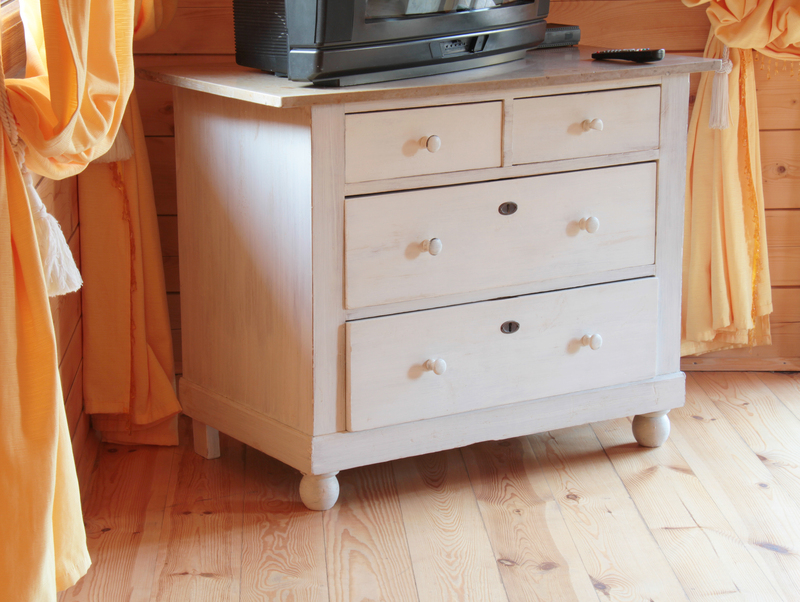
Furniture often forms the main part of a clearance, and it can be the most physically demanding part too. Sofas, wardrobes, beds, tables and cabinets may need to be dismantled or moved carefully through narrow halls, stairways or shared access areas. We handle that practical side of the job so the clearance can proceed without unnecessary strain on the property. Where necessary, items are taken apart in a controlled way to make removal safer and simpler.
Room-by-room sorting can also make a clearance much easier to manage. Instead of trying to move everything at once, contents are grouped by location and type, which helps avoid missed items and reduces confusion. This approach is especially useful in homes with storage-heavy rooms, mixed living spaces or several large pieces of furniture. It also gives the client a better sense of what is being removed from each part of the property.
When furniture is still in usable condition, it may be separated from other materials for a more appropriate route. That decision depends on the type of item, its condition and the overall contents of the job. A careful clearance should not rush these decisions, because thoughtful sorting often leads to a neater and more responsible outcome. If you need guidance on a clearance that includes bulky furniture, it is worth outlining the item list clearly before the visit.
Clearances for lofts, garages and hard-to-reach spaces
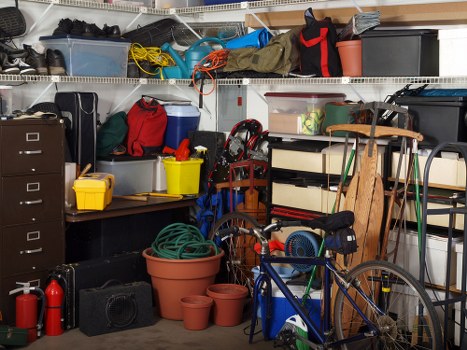
Lofts and garages often become long-term storage spaces, so they can hold an unpredictable mix of boxes, furniture, seasonal items and forgotten household goods. These spaces may be awkward to access and may contain items that have been there for years, which means a careful approach is important. A loft clearance may involve low headroom, narrow steps or limited carrying space, while a garage clearance may need sorting around tools, shelving, bicycles or outdoor equipment.
Because these areas are usually more confined than living rooms or bedrooms, the order of work matters. Heavier or less fragile items are typically dealt with first so that safer access can be maintained while the job progresses. Where items are stacked or stored in layers, we can work through them methodically to avoid unnecessary disturbance. That method is useful when a space contains both everyday objects and items that need more careful handling.
These clearances are often the point where a property starts to feel usable again, not because the space changes in theory, but because the contents are no longer preventing the room from being put to work. A neat clearance of a loft or garage can make it easier to access structural areas, reach utilities or reclaim storage capacity. It can also make later decisions about renovation or reorganisation much simpler.
Waste removal and disposal arranged with practical sorting
Some jobs are best described as waste removal rather than a full property clearance, especially where the contents are already grouped into piles, bags or mixed household waste. This type of work is useful after tidying, decorating, moving or clearing out a storage area. It can also be combined with furniture removal when a property contains both bulky items and loose waste that needs to be cleared together.
Practical sorting matters here because not every item belongs in the same stream. General household waste, reusable goods and materials that need separate disposal may all be present in one job. A careful approach avoids throwing everything together when a better method is available. That is why we pay attention to the make-up of the load before removal begins. If your job includes mixed items, a simple description can help us shape the most sensible plan.
Price can vary according to access, labour time, the type of items and the amount of sorting involved. A straightforward load with easy access is usually simpler than a job with stairs, fragmented contents or heavy furniture that must be moved piece by piece. For that reason, a quotation is most useful when it reflects the actual work involved, not just the volume of items. Clear information leads to a clearer estimate.
Recycling, reuse and responsible handling

Many clearance jobs include items that do not all need the same final destination. Some furniture can be suitable for reuse, some materials may be recyclable, and some broken or worn items may only be appropriate for disposal. A thoughtful clearance process looks at these differences early, because the way items are sorted can influence the whole job. This is particularly relevant in domestic clearances where a home contains a broad mixture of contents.
Responsible handling is not a slogan; it is a practical part of organising the work. Items are easier to direct correctly when they are assessed before being loaded, especially if the property contains mixed household goods, dismantled furniture or boxes of assorted belongings. That approach helps reduce unnecessary handling and keeps the clearance focused. It also makes it easier to separate items that should not be treated in the same way.
Customers often want a clearance that feels tidy in outcome and sensible in method. That means the job should be arranged so usable items are not lost in the process and so the remaining materials are dealt with properly. If you are preparing a property for a new stage, careful sorting can make the handover smoother and the space easier to use afterwards. Good clearance work is as much about judgement as it is about lifting.
How to plan a quotation for house clearance
When requesting a quotation, it helps to describe the property type, the rooms involved and any items that may need extra attention. A loft full of mixed storage, for example, is quite different from a single room with a few bulky pieces. If the clearance includes stairs, restricted access or items that need dismantling, those details should be included too. The more accurately the job is described, the more useful the quotation becomes.
Photographs can support the quote process, especially when there are several spaces to assess or when items are stacked in layers. They are not essential for every enquiry, but they can help explain the size and nature of the work. If you know whether the property is mostly furniture, mostly loose household items or a mixture of both, that can also be helpful. It is usually best to keep the enquiry practical and focused, so the response reflects the job as it really is.
If you would like to discuss a clearance in more detail, you can ask for a quotation once you have the basic room and access information ready. That is usually enough to begin a sensible estimate, and it gives a clearer starting point for scheduling the work. The aim is simple: a practical service, a clear plan and a result that leaves the property ready for what comes next.
About Queens Park
Queens Park is an inner north-west London district associated with parts of both the City of Westminster and the London Borough of Brent, centred on the open space that gives the area its name. The park itself was laid out in the late nineteenth century and remains the neighbourhood’s defining landmark, with tree-lined paths, sports facilities and a calm, enclosed character that contrasts with the busier streets around it. The area sits between Kilburn, Maida Vale and Kensal Green, giving it a position on the edge of several well-known residential districts. Its streets include a mix of late Victorian and Edwardian terraces, smaller mansion blocks and later infill development, which creates a varied townscape rather than a single uniform style. Salusbury Road forms one of the main local corridors, with cafés, independent shops and everyday services contributing to a strong neighbourhood feel. The area is also known for the weekly farmers’ market held near the station and park, which has become part of the local rhythm of the week. Queens Park station, served by London Underground and London Overground connections, gives the district an accessible link into wider London, while the surrounding residential streets retain a notably local atmosphere. Although it is close to larger commercial centres, Queens Park keeps a distinct identity through its parkland, community activity and relatively quiet side roads. The area’s layout, mixing open green space with dense housing, gives it a character that feels both urban and residential at once.
Domestic clearances that fit the job

Not every house clearance follows the same pattern, which is why it helps to match the service to the contents and the layout. A carefully planned domestic clearance can deal with a single room, a full property, an inherited home, a rental changeover or a cluttered outbuilding. The aim is to remove what needs to go while keeping the work organised enough to avoid unnecessary disruption. That makes it easier to achieve a tidy finish and a practical result.
Where a property contains a mixture of furniture, loose household items and stored materials, the job may need to be phased sensibly. Lighter contents can be grouped separately from heavier pieces, and items that need different handling can be identified before loading. This is one reason a short, accurate description at the start is so useful. It helps the clearance follow the right order and keeps the work aligned with the actual contents rather than assumptions about what may be inside.
If you need house clearance in Queens Park, the next step is straightforward: outline the rooms, note the kinds of items involved and request a quotation. You can keep it brief and practical, then build from there if more detail is needed. Make your enquiry today and get the clearance moving in the right direction.