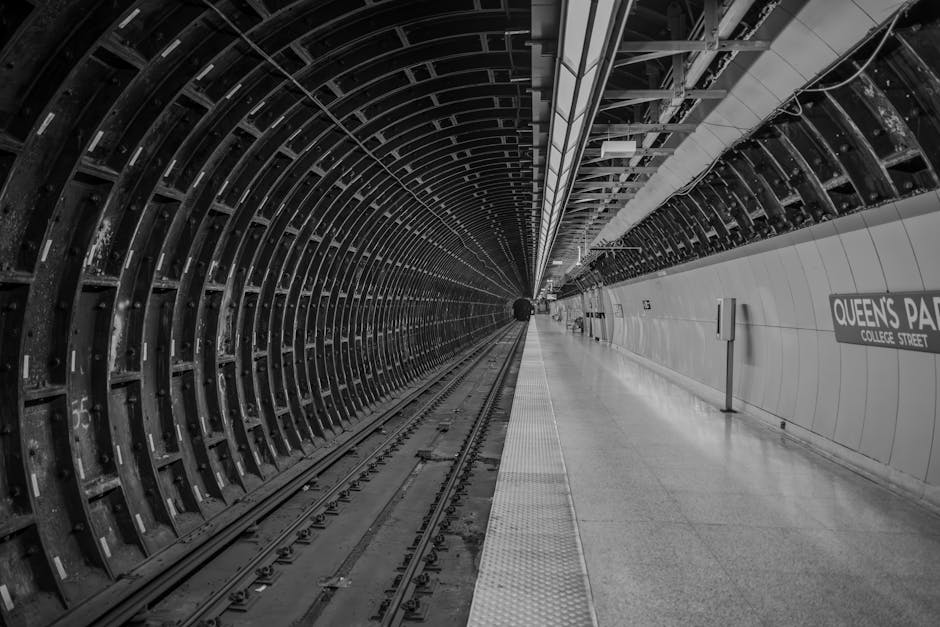
Queens Park station builders rubbish pickup near NW6
If you are dealing with rubble, broken plasterboard, timber offcuts, old packaging, or a full post-renovation mess, Queens Park station builders rubbish pickup near NW6 is one of those jobs that feels small in theory and suddenly huge in practice. Bags pile up. Dust gets everywhere. The corridor narrows. And if you have a site near the station, timing matters even more because access, parking, and busy footfall can turn a simple clearance into a bit of a faff.
This guide explains how builders' waste pickup works in and around NW6, what to expect, what to ask for, and how to avoid common mistakes. It also shows where a service like builders waste clearance fits into the bigger picture, especially when you need a tidy, reliable, no-nonsense pickup rather than a drawn-out disposal headache.
Whether you are a tradesperson between jobs, a landlord refreshing a flat, or a homeowner dealing with the aftermath of an upstairs bathroom refit, the aim is the same: get the waste gone safely, quickly, and without adding stress to the day.
Table of Contents
- Why Queens Park station builders rubbish pickup near NW6 Matters
- How Queens Park station builders rubbish pickup near NW6 Works
- Key Benefits and Practical Advantages
- Who This Is For and When It Makes Sense
- Step-by-Step Guidance
- Expert Tips for Better Results
- Common Mistakes to Avoid
- Tools, Resources and Recommendations
- Law, Compliance, Standards, or Best Practice
- Options, Methods, or Comparison Table
- Case Study or Real-World Example
- Practical Checklist
- Conclusion
- Frequently Asked Questions
Why Queens Park station builders rubbish pickup near NW6 Matters
Builders' waste is not just "stuff to remove". It is often a mixed load of heavy, awkward, and sometimes dusty material that can slow work down if it is left in the way. Near Queens Park station, there is also the local reality of narrow streets, side access, busy pavements, and the sort of parking situation that can test everyone's patience by 8.30 in the morning.
For many jobs in NW6, rubbish pickup matters because it protects the flow of the work. A cleared hallway means decorators can finish. A cleared garden means landscapers can move safely. A cleared flat means a builder can actually see the floor again, which, to be fair, helps everyone. And in a station-area setting, the quicker the waste is removed, the less chance it has to become an eyesore or a trip hazard.
It also matters for reputation. If you are a contractor, a tidy finish often says more than a pitch ever could. If you are a landlord or managing agent, a fast pickup helps you hand over a property without delay. If you are a homeowner, it gives you back your space and a proper sense of progress.
Expert summary: around Queens Park station, builders rubbish pickup works best when it is treated as a planned part of the job, not an afterthought. The best outcomes usually come from early booking, clear descriptions of the waste, and a team that understands access and loading constraints in NW6.
How Queens Park station builders rubbish pickup near NW6 Works
In practical terms, builders' rubbish pickup is a collection and disposal service for construction-related waste. That may include plasterboard, tiles, bathroom rip-out debris, timber, packaging, old fittings, fixtures, carpets, and mixed renovation waste. The exact load matters because some materials need separate handling, and mixed waste is usually more work to sort.
Most pickups follow a straightforward pattern:
- You describe the waste, access, and location.
- A collection time is agreed that suits the job schedule.
- The team arrives, assesses the load, and removes the rubbish.
- The waste is transported away for sorting, recycling, or disposal.
- The area is left as tidy as reasonably possible.
The detail that people often miss is access. Near Queens Park station, a small delay at the kerb can ripple through the whole day. If the waste is on a third-floor walk-up or tucked behind a narrow rear passage, that changes labour, timing, and vehicle planning. It is better to mention it upfront than to discover it at the front gate with three builders standing around and that slightly awkward silence everyone knows too well.
If the job involves more than builders' debris, it can help to pair the pickup with other clearance work. For example, a refurbishment might also uncover old furniture, broken storage, or loft debris. In those cases, related services such as home clearance, furniture disposal, or loft clearance may be useful alongside the main waste pickup.
Key Benefits and Practical Advantages
There are a few clear reasons why people choose a dedicated builders rubbish pickup instead of trying to manage it themselves.
- Faster site clearance: Less downtime between demolition, installation, and finishing work.
- Safer working conditions: You reduce clutter, sharp edges, and trip hazards.
- Better access for trades: Plumbers, electricians, decorators, and installers can move freely.
- Less stress with transport: No need to cram debris into a car or work out several runs to a tip.
- Cleaner presentation: This matters a lot for landlords, letting agents, and client-facing trades.
- More predictable scheduling: A booked pickup is easier to plan around than ad hoc disposal.
There is also a practical money angle, though not always in the obvious way. If waste slows a project or blocks a finish, the knock-on cost can be more than the clearance itself. A delayed handover, an extra labour hour, or a second visit because the site was not ready can soon add up. Nobody enjoys paying for avoidable delays. Bit painful, really.
For businesses, there is the added benefit of keeping waste handling more orderly. If you run regular jobs in NW6, using a proper service can help support a steadier process than relying on random van space, favours from mates, or last-minute dumping decisions that never age well.
Who This Is For and When It Makes Sense
This kind of pickup is a fit for a fairly wide range of people, not just building firms.
Common users
- Builders and contractors working on refurbishments, rip-outs, small extensions, or repair work.
- Landlords and agents preparing a flat or house for new tenants.
- Homeowners handling kitchen, bathroom, garden, or loft projects.
- Shop or office managers who need a clean finish after layout changes or improvements.
- Tradespeople who need a quick final clear-out before handover.
It makes sense when the waste is too much for a standard bin but not quite enough to justify an oversized commercial cleanout. It also makes sense when your time is better spent on the job itself, not queuing at a waste facility or trying to find a legal, sensible place to put mixed rubble. Let's face it, most people would rather finish the work than become part-time waste logistics coordinators.
If the site is a flat or shared property near the station, a smaller and more careful approach is often best. For example, a noisy rip-out in a first-floor flat can create debris quickly, but the route downstairs may be tight. In those cases, it can help to look at flat clearance as part of the wider planning, especially where there are mixed items beyond construction waste.
Step-by-Step Guidance
Here is a simple way to organise a builders rubbish pickup near Queens Park station without overcomplicating it.
- List the waste types. Separate rubble, timber, plasterboard, packaging, fixtures, old furniture, and anything unusual.
- Estimate volume honestly. A rough description is useful, but photos are even better if you have them.
- Check access. Note stairs, lift access, narrow gates, parking limits, and whether the waste is front, rear, or inside the property.
- Decide on timing. Pick a slot that fits the build sequence, not just the cheapest-looking gap in the diary.
- Confirm what is included. Ask whether labour, loading, disposal, and sweep-up are part of the pickup.
- Prepare the site. Gather waste into one place if it is safe and practical to do so.
- Keep fragile or reusable items separate. Do not let someone accidentally throw out fixtures, fittings, or unopened materials.
- Walk the area afterwards. Check the route, floor, and corners for loose nails, shards, or dust.
A short conversation before the pickup usually saves more time than a long conversation after it. That sounds obvious, but you would be surprised how often projects stall because nobody said the waste was on the rear terrace behind a locked side passage. Small detail, big difference.
Expert Tips for Better Results
There are a few habits that consistently improve results, especially in busy local areas like NW6.
- Group waste by material where practical. Mixed loads are harder to handle, and sorting helps reduce confusion on the day.
- Keep a clear path before arrival. Even a narrow, clean route can save minutes and lower the risk of damage.
- Tell the team about parking or loading limits. Queens Park station streets can be tight, and being upfront avoids last-minute scrambling.
- Use photos for awkward jobs. A couple of real images tell the story better than a vague description.
- Plan around neighbours. If the waste includes noisy or dusty material, aim for a considerate window where possible.
- Think beyond the obvious waste. Renovation debris often comes with old furniture, broken storage, or garden offcuts that can be removed at the same time.
One practical tip that sounds almost too simple: put aside the stuff you are unsure about. If there is a pile of "maybe keep" fittings, old cable, or half-used materials, separate them early. It avoids the last-minute panic where everything looks identical and nobody wants to make the wrong call.
For properties where a project is spreading into other areas, related services such as furniture clearance or garage clearance can be useful additions. If the waste is broader and mixed, waste removal may be the simplest umbrella option.
Common Mistakes to Avoid
Most problems with builders' rubbish pickup are preventable. The awkward part is that the mistakes are usually small, but they create bigger issues later.
- Underestimating the volume: A few bags can become a small mountain once broken material is gathered properly.
- Not mentioning access issues: Steps, permits, and tight turns matter more than people expect.
- Mixing hazardous or restricted items into general waste: This can create handling problems and extra charges.
- Leaving waste spread out: Scattered material takes longer to load and is easier to miss.
- Booking too late in the project: If the crew is due to finish at 4 p.m., do not plan the pickup at 3:55. Honestly, that never ends well.
- Assuming every item is recyclable in the same way: Different materials have different handling routes.
Another common issue is forgetting the human side of the site. Builders, neighbours, and residents all have to move through the same space. If you keep walkways clear and communicate the pickup window, the whole job feels calmer. A calmer site is usually a better site.
Tools, Resources and Recommendations
You do not need a huge toolkit for a rubbish pickup, but a few simple things help.
- Heavy-duty rubble sacks: Useful for smaller fragments and packaging.
- Gloves and sturdy footwear: Basic, but essential.
- Dust sheets or covers: Helpful when moving waste through finished areas.
- Labels or tape: Handy for separating keep, remove, and recycle piles.
- Measuring estimate: A quick sense of volume helps when describing the job.
- Phone photos: Still the most practical "tool" for complex pickups.
From a service perspective, it is sensible to look at pricing clarity, safety standards, and recycling approach before you book. If you want to understand how costs are usually presented, the pricing and quotes page is a useful place to check how a provider frames estimates. And if sustainability matters to you, the recycling and sustainability information can help you see how waste is typically handled after collection.
If you are choosing between providers, a short phone call or message can reveal a lot. Do they ask about access? Do they ask what kind of material it is? Do they sound like they understand mixed builders' debris rather than treating every job the same? Those small signs usually matter.
Law, Compliance, Standards, or Best Practice
Builders' waste removal in the UK should be approached carefully and sensibly. You do not need to become a legal expert to make a good decision, but you should expect proper handling, responsible disposal, and clear communication about what can and cannot be taken.
In practical terms, best practice usually includes the following:
- Waste is collected by a properly insured and safety-conscious operator.
- Items are sorted where possible to support recycling and proper disposal.
- Potentially risky materials are identified before collection.
- Access, loading, and site conditions are discussed in advance.
- The customer understands what the service covers and any limitations.
For busy properties around Queens Park station, safety matters just as much as speed. Wet weather, poor lighting, tight stairs, and loose debris can all increase the risk of slips or damage. A responsible provider should treat those conditions seriously rather than brushing them off. That is why it helps to read about health and safety policy and insurance and safety before booking, especially for larger or more complex jobs.
It is also sensible to check the service terms so you know what the arrangement covers, how bookings are handled, and what to expect if plans change. The terms and conditions page is the sort of thing most people only read once they need it, which is probably too late, but at least it is there.
Options, Methods, or Comparison Table
There are several ways to deal with builders rubbish in NW6, and each has its own strengths. The right option depends on volume, access, time pressure, and how mixed the waste is.
| Method | Best for | Pros | Trade-offs |
|---|---|---|---|
| DIY transport | Very small loads and simple waste | Low direct cost, flexible timing | Time-consuming, tiring, vehicle limitations, multiple trips |
| Skip hire | Ongoing projects with space for a skip | Good for larger amounts, convenient on site | Parking, permits, street space, loading restrictions |
| Dedicated builders rubbish pickup | Mixed loads, awkward access, quick clearances | Fast, labour included, less hassle, site-friendly | Needs scheduling, cost depends on volume and access |
| Full clearance service | Jobs with rubble plus furniture or general waste | Broad coverage, useful for whole-property work | May be more than you need for a tiny waste-only job |
For many Queens Park station jobs, the dedicated pickup option is the sweet spot. It is especially useful when you do not want a skip taking up space outside, or when the waste is tucked inside the property and needs hands-on loading. Sometimes that convenience is the whole point. And really, that is fine.
Case Study or Real-World Example
A typical NW6 scenario might look like this: a small bathroom refurbishment in a first-floor flat near Queens Park station has left broken tiles, old sanitary fittings, timber offcuts, packaging, and a few bags of mixed debris. The hallway is narrow, the building has shared access, and the client needs the property ready for the next stage the same day.
Instead of trying to move everything in multiple car journeys, the team groups the waste into one area, photographs the pile, and confirms the route in advance. On the day, the pickup is done early, before the busiest part of the morning. The load is cleared in one go, the common path is left tidy, and the trades can carry on without stepping over rubble all afternoon.
What made the difference? Not magic. Just planning.
A second example comes up often with landlords. A property is being refreshed after tenants move out, and the builders have left behind not only debris but also an old sofa, a broken wardrobe, and some loft clutter that came down during inspection. In that case, a combined approach can be more efficient than trying to split the job across separate visits. That is where related services like house clearance or office clearance may sit alongside the builders' pickup, depending on the property type.
Practical Checklist
Use this checklist before booking or on the morning of the pickup.
- Have I identified the main waste types?
- Do I know roughly how much there is?
- Have I mentioned stairs, lifts, or narrow access?
- Is the waste gathered safely in one place?
- Have I separated anything I want to keep?
- Do I know whether the job includes loading and sweep-up?
- Is the booking time realistic for the site conditions?
- Have I flagged any awkward parking or loading constraints?
- Are fragile surfaces protected where needed?
- Have I checked the provider's safety and insurance information?
If you can tick most of those off, you are in good shape. If not, pause for ten minutes and sort the details. It will save time later, which is usually when the pressure is highest and everyone is a bit fed up.
Conclusion
Queens Park station builders rubbish pickup near NW6 is really about making renovation work easier, safer, and less stressful. When it is handled well, the waste disappears at the right time, the site feels manageable again, and the project moves forward without the usual mess and delay.
The best results come from clear communication, realistic expectations, and a provider that understands local access issues, mixed materials, and proper disposal standards. That combination matters more than a flashy promise. Near a busy station area, being organised is half the job, maybe more.
If you are planning a project and want the clearance side handled properly, you can start by checking the service details, safety information, and pricing approach so you know exactly what fits your job.
Get a free quote today and see how much you can save.
And if you are still at the stage of staring at the pile and wondering where to start, that is normal. One solid pickup can make the whole place feel lighter. Funny how that works, really.
Frequently Asked Questions
What counts as builders rubbish near Queens Park station?
Builders rubbish usually includes rubble, broken plaster, tiles, timber offcuts, packaging, old fixtures, and mixed renovation debris. If it came from a construction, repair, or refurbishment job, it probably falls into that bucket.
Can you pick up waste from flats near NW6?
Yes, but access details matter. Stairs, lifts, narrow halls, and shared entrances can affect the time and labour needed, so it helps to describe the layout clearly before booking.
Is builders rubbish pickup better than hiring a skip?
It depends on the job. Pickup is often better for awkward access, mixed debris, and smaller-to-medium loads. Skip hire can suit longer projects with space outside, but it is not always the neatest option near busy streets.
How quickly can rubbish be removed after a refurb?
Often quite quickly, depending on scheduling and site access. If the job is time-sensitive, say so early. A same-day or next-day slot may be possible in some cases, but you should not assume it without checking.
Do I need to separate materials before collection?
Not always, but it helps. Separating rubble, wood, metal, cardboard, and reusable items can make the pickup smoother and sometimes cleaner from a recycling point of view.
What if I also have old furniture or loft junk?
That can often be dealt with as part of a wider clearance plan. Depending on the mix, services like furniture clearance or loft clearance may be useful alongside builders waste removal.
How do I know the service is safe and properly run?
Look for clear information about safety, insurance, and how waste is handled. A good provider should be straightforward about the process and not vague when you ask basic questions.
Will the area be swept or left tidy?
That depends on the service, so ask in advance. In many real-world jobs, a reasonable sweep-up is expected, but it is best not to guess. Confirm what is included before the team arrives.
Can builders rubbish pickup work around busy parking conditions?
Yes, but parking and loading restrictions can affect timing. Around Queens Park station, this is especially worth mentioning because local streets can get busy fast and space disappears quickly.
What should I do on the day of collection?
Make the waste easy to reach, protect any finished surfaces, keep keep-items separate, and make sure someone can answer access questions if needed. A few minutes of prep can save a lot of running about later.
Is recycling part of builders rubbish pickup?
It should be considered wherever possible, but what can be recycled depends on the materials in the load and how they are mixed. If sustainability matters to you, it is sensible to check how the provider approaches sorting and disposal.
Who should I contact if I want to ask about a specific job?
If you need to talk through access, timing, or mixed waste, use the contact page to raise the details early. It is much easier to plan a job properly when the facts are on the table from the start.
For more background on the company and how it approaches local clearance work, you can also read about us. If you care about how data is handled, the privacy policy is available too, and if payment handling is on your mind, the payment and security information is worth a look.