Complaints Procedure for Queens Park House Clearance
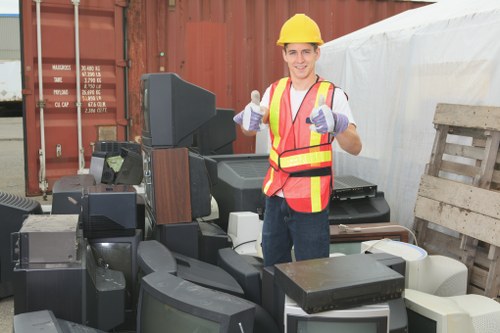 Purpose: This Complaints Procedure explains how customers of Queens Park house clearance and related rubbish removal services can raise concerns about our work. It is designed to be clear, fair and proportionate so that issues are resolved efficiently. The procedure applies to domestic and commercial clearances, including household waste removal, estate clearances and small-scale demolition rubbish handling. Our aim is to treat every complaint seriously, to record it accurately and to deliver a timely response that protects customer rights and safety.
Scope and principles: Complaints about the Queens Park House Clearance service area will be handled impartially and without delay. We will apply the following principles: accessibility, transparency, confidentiality and proportionality. Accessibility means we accept complaints in writing or via any standard communication channels used during service delivery. Transparency means we will explain the steps we take and the likely timescales.
 What counts as a complaint: A complaint is any expression of dissatisfaction about the conduct, quality or outcome of a clearance or rubbish collection activity. Examples include damage during a house clearance, missed collections, unsafe disposal practices, or unacceptable behaviour by operatives. Concerns about billing, permits or environmental handling are also considered complaints. Routine service queries that can be answered quickly are not classified as formal complaints unless the customer requests escalation.
How to make a formal complaint: To help us investigate, please provide a clear description of the issue, the date and location of the clearance, the name of any staff involved (if known), and any supporting evidence such as photographs or invoices. Please include:
- a concise summary of the issue;
- relevant dates and times;
- copies of receipts or communications where available.
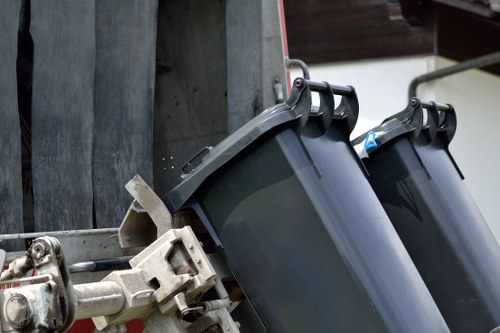 Acknowledgement and initial assessment: We will acknowledge receipt of a formal complaint within a prompt, published timescale and carry out an initial assessment to determine the severity and likely course of investigation. The assessment stage helps identify whether the matter can be resolved immediately or requires a detailed review. Minor operational issues may be resolved within a short timeframe, while complex matters involving third parties, hazardous waste or legal considerations may need extended investigation.
Investigation process: Our investigation will be conducted by staff who were not directly involved in the contested activity where possible. The investigator will gather facts, review site notes and any photographic evidence, and interview staff or third parties where necessary. The investigation will focus on the cause of the problem and identify corrective actions. Where relevant, the findings will reference waste management standards and safety protocols employed by our clearance teams.
Outcomes, remedies and remedies scope
Possible outcomes include: an explanation, an apology, a proposal for remedial work, a refund or a partial credit where appropriate, or changes to operational practice to prevent recurrence. Remedies will be proportionate to the impact of the issue and the nature of the clearance or removal service provided. Where remedial work is agreed, we will set a clear timetable and explain any implications for safety or access.
Escalation and independent review
If a complainant remains unhappy after the internal process, the matter can be escalated within our organisational structure for senior review. In the event an independent determination is needed, we will inform the complainant about options for external review or arbitration without endorsing a specific third party. This escalation route recognises the importance of impartial assessment for unresolved disputes in the clearance and rubbish collection sector.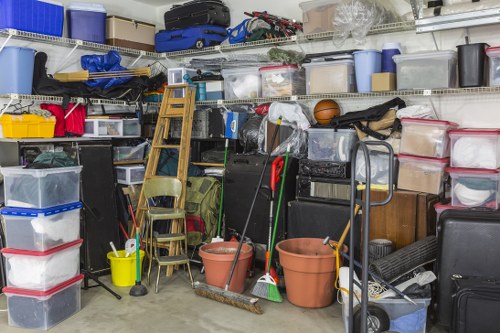 Record keeping, confidentiality and data protection: All complaints are recorded on a secure register to support quality improvement and regulatory compliance. Records include the nature of the complaint, investigative notes, findings, actions taken and timescales. We treat personal information in accordance with applicable data protection practices; records are retained only as long as necessary to meet legal and operational requirements. Confidentiality is maintained throughout, and information is shared only with relevant personnel involved in the resolution.
Monitoring, learning and continuous improvement: We use complaint data to identify patterns and areas for training, procedural change or safety enhancements. Regular reviews enable the clearance team to improve standards across the range of services, from domestic house clears to commercial rubbish removal. Continuous improvement is an essential component of customer care and operational governance.
Timescales and expectations: Typical timelines for acknowledgement and outcome are published in our customer information materials. While many complaints are resolved within a short period, more complex investigations may need extended time. We aim to keep complainants updated at key milestones and to provide a final response that summarises findings and any corrective steps taken. Clear communication is central to our approach.
Final note: Our complaints procedure is intended to be fair, accessible and effective for anyone using Queens Park clearance or rubbish removal services in the locality. We encourage customers to raise concerns promptly so that issues can be addressed while details remain fresh. By following this procedure we aim to uphold high service standards, protect the environment and ensure safe, respectful conduct during every clearance assignment.