Salusbury Road shop rubbish removal guide Queens Park
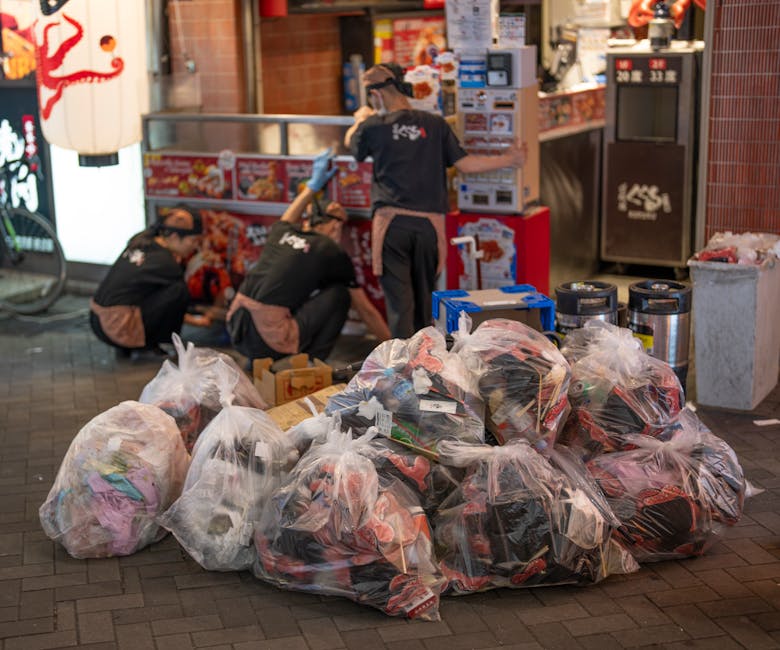
If you run a shop on or near Salusbury Road, rubbish can build up faster than you expect. One delivery day, a bit of packaging, a broken display unit, old stock, a back-room clear-out, and suddenly the place feels cramped, untidy, and harder to work in. This Salusbury Road shop rubbish removal guide Queens Park is here to make that process simpler, calmer, and far less disruptive.
Whether you manage a small independent store, a cafe with retail waste, or a mixed-use unit that needs regular clearances, the aim is the same: remove waste quickly, keep the premises presentable, and avoid hassle for staff, customers, and neighbours. In practical terms, that usually means sorting what can be reused, what needs careful disposal, and what should be removed by a professional team. Let's face it, nobody wants a pile of cardboard and broken shelving lingering by the till for three days.
Below, you'll find a practical local guide covering how shop rubbish removal works in Queens Park, what to expect, common mistakes to avoid, and when it makes sense to bring in extra help. If you need broader support for a shop fit-out, back-of-house clear-out, or ongoing commercial waste, you may also find our business waste removal and office clearance pages useful.
Table of Contents
- Why Salusbury Road shop rubbish removal guide Queens Park Matters
- How Salusbury Road shop rubbish removal guide Queens Park Works
- Key Benefits and Practical Advantages
- Who This Is For and When It Makes Sense
- Step-by-Step Guidance
- Expert Tips for Better Results
- Common Mistakes to Avoid
- Tools, Resources and Recommendations
- Law, Compliance, Standards, or Best Practice
- Options, Methods, or Comparison Table
- Case Study or Real-World Example
- Practical Checklist
- Conclusion
- Frequently Asked Questions
Why Salusbury Road shop rubbish removal guide Queens Park Matters
Shop rubbish removal is not just about making a space look nicer, though that matters too. In a busy local stretch like Salusbury Road, first impressions count. Customers notice clutter, overflowing bags, cardboard stacks, and damaged stock before they notice the clever window display. A tidy frontage tells people the business is organised and cared for.
There's also a very practical reason. Retail spaces usually generate a mix of waste types: cardboard, soft plastics, broken fixtures, old promotional material, packaging straps, shelves, and sometimes electrical items or bulky disposables. Some of that is easy to handle in-house. Some of it is not. If you guess wrong, waste can sit around longer than it should, taking up space and creating a very ordinary kind of stress that nobody needs.
Queens Park businesses often work in tight footprints. Storage rooms are small, access can be awkward, and collections need to fit around trading hours. That makes planning more important than brute force. A good rubbish removal approach keeps you moving, keeps the shop floor safer, and helps reduce disruption during peak times.
Expert takeaway: the best shop clearance jobs are rarely the biggest ones. They're the ones that are sorted early, handled in the right order, and removed without disturbing customers or staff more than necessary.
How Salusbury Road shop rubbish removal guide Queens Park Works
In most cases, shop rubbish removal follows a straightforward pattern. The exact details depend on the size of the unit, the type of waste, and whether you need one-off removal or regular support. A typical process might look like this:
- Assess the waste - identify what needs to go, including bulky items, general rubbish, cardboard, and anything that needs special handling.
- Separate the materials - keep reusable stock, recyclable packaging, and waste streams apart where possible.
- Check access - think about loading points, rear access, stairwells, shared entrances, and trading-hour restrictions.
- Book the removal - arrange a suitable time so the collection causes minimal disruption.
- Clear and load - the waste is removed, usually by hand-loading or via controlled loading into a vehicle.
- Leave the area tidy - the final step should be a clean, safe space, not just an empty one.
The key difference between a casual clear-out and a proper commercial rubbish removal job is coordination. A shop on Salusbury Road may need the waste taken from inside the premises, through a shared entrance, or from a space with limited parking. That means timing, teamwork, and clear communication matter a lot more than people sometimes expect.
If your shop clear-out includes unwanted shelving, counters, fixtures, or old stockroom furniture, services like furniture clearance and furniture disposal can be a sensible fit. For larger end-of-lease jobs, a broader home clearance style approach is not relevant here, but the same principle applies: remove everything methodically, not in a rush.
Key Benefits and Practical Advantages
A well-planned shop rubbish removal service delivers more than a cleaner floor. It improves day-to-day trading conditions in ways that are easy to feel but hard to put on a spreadsheet.
- More usable space: stockrooms, storerooms, and back areas become easier to work in.
- Better presentation: customers are less likely to see clutter, which supports trust and professionalism.
- Safer working conditions: fewer trip hazards, fewer blocked exits, fewer awkward piles near walkways.
- Less staff frustration: teams spend less time stepping around waste and more time serving customers.
- Quicker changeovers: useful when you're moving displays, replacing old equipment, or preparing for a refit.
- Potential recycling gains: organised sorting can improve how much packaging and material is recovered rather than thrown away.
There's a quieter benefit too: peace of mind. If you've ever tried to run a busy shop while a broken cabinet sits in the way, you'll know the feeling. It's one of those little operational annoyances that becomes all you can see. Remove it, and the whole place breathes easier. Simple as that.
For businesses that generate ongoing mixed waste, pairing one-off clearances with regular waste removal can be a practical way to stay ahead of build-up. If the rubbish is part of a wider commercial operation, business waste removal is often the most relevant route.
Who This Is For and When It Makes Sense
This kind of rubbish removal is useful for a wide range of people. If you're wondering whether it applies to your situation, the answer is often yes when waste is taking up space, affecting presentation, or starting to get in the way of work.
- Independent shop owners dealing with packaging, old stock, or broken fixtures.
- Franchise managers who need a tidy, compliant space before inspections or handovers.
- Cafe and deli operators with mixed front-of-house and back-of-house waste.
- Pop-up and seasonal traders who need fast clearances after busy periods.
- Landlords and managing agents preparing a unit for reletting or refurbishment.
- Fit-out teams handling debris after a refit or merchandising update.
It also makes sense when the waste is too bulky, too awkward, or too much for standard bins. A few bags are one thing. A shop full of collapsed shelving, packaging pallets, damaged display boards, and old promotional stands is another. Truth be told, that's when people realise they need more than a quick tidy-up.
If your premises include a basement, upper store room, or awkward loft-style storage, the same planning mindset used in loft clearance can help you think through access and lifting constraints. For property-wide jobs, house clearance or flat clearance may be more relevant to the building owner than the shop itself.
Step-by-Step Guidance
If you want a straightforward way to manage shop rubbish removal without turning it into a drama, follow this order. It keeps things sensible.
1. Walk the space first
Start with a proper walk-through. Look at front-of-house, stockroom, cellar, staff areas, and any shared access points. Note what needs to be removed, what might be reused, and what should stay. A quick visual sweep is useful, but a slow one is better. You'll notice the odd items that get overlooked: a cracked POS display, a torn banner, the loose cable nobody wants to admit exists.
2. Separate the main waste types
Put cardboard, plastics, general rubbish, reusable goods, and bulky items into different groups if you can. This makes loading faster and can reduce unnecessary disposal. It also helps if some items are going to recycling and others are not. Not glamorous, but very effective.
3. Identify anything that needs care
Some waste needs a bit of extra attention. Electrical items, sharp broken fittings, or anything contaminated should be handled safely. Don't assume everything can be bundled together. That's a common mistake and, to be fair, one that can create more work later.
4. Plan the removal time
Choose a slot that suits trading patterns. Early morning, after closing, or during a quiet mid-week period is often best. If customers need to walk past the loading area, make sure the path is clear and safe. One bad hour at the wrong time can annoy staff and shoppers alike.
5. Prepare the access route
Check doors, lifts, stairwells, gates, and parking considerations in advance. If there's a shared entrance or narrow pavement, plan for that. A lot of delays happen because someone assumed a trolley would fit when, in reality, it absolutely would not.
6. Remove, load, and tidy
Once the waste is being moved, keep the area monitored until the job is finished. A good team will not just remove the rubbish; they'll leave the area in a condition that's ready for your next job. That final sweep matters more than people think.
For larger, more specialised jobs, it can help to book a service that aligns with the type of waste. For example, builders waste clearance is a better fit if the shop has just been refurbished and there's dust, offcuts, and packaging from contractors. If you're disposing of old shop furniture, shelving, or stockroom units, use the furniture-specific routes mentioned above rather than treating everything as general waste.
Expert Tips for Better Results
Small improvements make a surprising difference, especially in compact retail spaces. These are the habits that tend to save time and headaches.
- Keep a "remove first" pile: place obvious rubbish and surplus items in one spot so crews can work methodically.
- Label reusable stock clearly: avoid accidental disposal when the shop is busy or understaffed.
- Protect display areas: use simple coverings if waste will be moved near shelves or counters.
- Book around footfall: quieter times usually mean faster, safer removals.
- Ask about recycling options: cardboard and some fixtures may be better recovered than sent mixed.
- Measure bulky items: a quick measurement can prevent access problems on the day.
A helpful trick is to think of the job in layers: first the obvious rubbish, then the bulky items, then the awkward bits nobody wants to touch. It sounds basic because it is. But basic done well usually beats clever done badly.
If you're dealing with old office-like back rooms, filing cabinets, broken desks, or staff-room furniture, looking at office clearance can help you think in terms of equipment removal rather than simple bag collection. The wording matters less than the approach, really.
Common Mistakes to Avoid
Most problems in shop rubbish removal come from rushing, assuming, or not checking access properly. None of these mistakes are unusual, which is exactly why they're worth calling out.
- Leaving sorting until the last minute and creating a chaotic pile of mixed waste.
- Forgetting about opening hours and accidentally disrupting customers or neighbouring businesses.
- Ignoring access constraints such as tight staircases, loading restrictions, or narrow entrances.
- Mixing reusable items with waste and losing value unnecessarily.
- Assuming all rubbish is handled the same way when some items need separate treatment.
- Underestimating volume and booking too little capacity for the actual job.
One of the easiest errors to make is treating a shop clearance like a domestic tidy-up. It isn't. Even a small retail space can generate waste with different handling needs. Boxes are easy. Damaged fittings are not. And once you've got mixed material piled by the door, the job tends to grow legs.
Tools, Resources and Recommendations
You do not need a huge arsenal of tools to manage a shop rubbish removal job properly, but a few basics help.
- Heavy-duty bags and boxes for sorting smaller items.
- Trolleys or sack trucks for moving bulky waste without strain.
- Gloves and basic PPE for handling sharp or dirty items safely.
- Labels or tape for marking keep, recycle, and remove piles.
- A floor plan or quick sketch if the unit has awkward access or multiple levels.
In practical terms, the best resource is a clear plan. A notebook page can be enough. Write down what's going, what's staying, where the waste is located, and which access points matter. That simple list often saves a lot of back-and-forth on the day.
For businesses that care about recovery and responsible disposal, recycling and sustainability is a relevant place to think about how waste is sorted and what can be diverted from landfill. If you are planning a clearer budget picture as well, pricing and quotes may be helpful before booking anything.
Sometimes the little things matter most. A roll of tape, a marker pen, one extra pair of gloves. Not exciting, but they save the day.
Law, Compliance, Standards, or Best Practice
Commercial waste in the UK needs to be handled carefully, even when the job looks simple. Shop owners and managers are usually expected to keep waste contained, avoid obstructing public areas, and make sure rubbish is passed to a lawful carrier or handled through an appropriate disposal route. That's the sensible baseline.
Best practice also means separating waste where practical, especially if you have cardboard, recyclable packaging, and bulky refuse in the same premises. You do not need to turn the back room into a sorting centre, but a bit of organisation goes a long way. It reduces contamination and makes the whole process smoother.
If your shop generates waste from contractors or fit-out work, standards around safety and access become even more important. Routes need to be clear. Staff and customers need to be protected. And if items are heavy or awkward, lifting should be planned rather than improvised. Common sense, yes, but common sense is often what keeps these jobs safe.
It is also wise to keep clear records of what was removed, when, and by whom. That kind of paperwork may feel dull on a Friday afternoon, but it helps if you ever need to explain how waste was handled. For businesses that want to understand company practices more broadly, the site's health and safety policy, insurance and safety, and terms and conditions pages are sensible reference points.
Options, Methods, or Comparison Table
There is no single right way to remove shop rubbish. The best option depends on how much waste you have, how quickly it needs clearing, and whether the items are bulky or mixed. Here's a straightforward comparison.
| Method | Best for | Advantages | Limitations |
|---|---|---|---|
| In-house bagging and binning | Small, routine waste | Low effort, simple, flexible | Can become slow and messy for bulky items |
| Scheduled business waste collection | Ongoing commercial waste | Reliable and predictable | Less suitable for one-off bulky clearances |
| One-off rubbish removal | Clear-outs, refits, surplus stock | Fast, practical, suited to mixed loads | May need advance planning for access and sorting |
| Specialist item disposal | Furniture, fixtures, bulky fittings | Good for awkward or heavy items | Needs item-specific handling |
For many Salusbury Road shops, the answer is a combination. Routine rubbish is handled day-to-day, while larger or awkward items are booked out separately. That mixed approach is often the least stressful, and honestly, the most realistic.
Case Study or Real-World Example
Picture a small independent shop near Salusbury Road preparing for a refresh after a seasonal trading push. The stockroom is full of flattened cardboard, a few damaged display pieces, old signage, and a bulky cabinet that no longer fits the layout. Staff can still serve customers, but the back area is beginning to feel cramped and a bit chaotic.
Instead of tackling everything in fragments over several weeks, the owner separates the waste into clear groups: keep, recycle, remove. The cardboard is bundled neatly. The damaged fixtures are measured and set aside. The cabinet is checked for access through the rear route. Collection is booked for a quieter morning slot, just before opening.
On the day, the removal is quicker because the decisions were made in advance. There's less double handling. Less standing around. Fewer "where does this go?" moments. The shop opens with a cleaner back area, the new layout goes in faster, and the team can get on with trading instead of wrestling with old clutter.
That's the real value of good rubbish removal. Not just taking things away, but making the next stage of the business easier.
Practical Checklist
Use this before arranging shop rubbish removal in Queens Park. It is simple, but it covers the bits people often forget.
- Walk the whole premises, including stockroom and rear access.
- Separate reusable items from genuine waste.
- Sort cardboard, packaging, bulky items, and any special waste.
- Check opening hours and choose a low-disruption removal time.
- Measure large items and check door widths or stair access.
- Clear walkways and loading points in advance.
- Label anything that must not be removed.
- Confirm whether recycling or special disposal is needed.
- Keep a simple record of what is being removed.
- Do a final sweep so the area is safe and ready to use.
Quick summary: the smoother the sorting, the smoother the removal. It really is that straightforward.
Conclusion
Salusbury Road shop rubbish removal in Queens Park is about more than clearing clutter. It is about keeping your premises safe, professional, and easy to run. With a bit of planning, the right waste separation, and a sensible collection schedule, the whole job becomes much less disruptive than people fear.
If you're preparing for a refit, dealing with old stock, or just trying to get control of a cramped back room, start with the waste you can see and work outward from there. Small decisions made early usually save the biggest headaches later. And once the space is clear, you feel it straight away - a bit more air, a bit more calm, a bit more room to work.
Get a free quote today and see how much you can save.
If you want to understand the team behind the service before you book, you can also read more on the about us page or use the contact us page to ask a quick question. No drama, no hard sell. Just a practical next step.
Frequently Asked Questions
What counts as shop rubbish removal on Salusbury Road?
It usually includes general rubbish, cardboard, packaging, broken fixtures, unwanted stock, shelving, and other items that need removing from a retail premises. If the waste is bulky or mixed, a professional clearance is often the easiest option.
Can I leave shop waste outside for collection?
Only if it is safe, permitted, and will not obstruct the pavement or public access. In many cases, it is better to keep waste inside until the collection is ready so you avoid mess and access issues.
How do I know whether I need one-off rubbish removal or regular business waste removal?
If the waste is recurring and predictable, regular business waste removal is usually the better fit. If you are clearing old stock, refurbishing, or dealing with a large one-time build-up, one-off removal tends to make more sense.
What should I do with old shop furniture or shelving?
Separate it from general rubbish and treat it as bulky waste. Services linked to furniture clearance or furniture disposal are often more appropriate than standard bin collection.
Is cardboard from shop deliveries recyclable?
Usually, yes, if it is clean and dry. Flattening it first helps a great deal. If cardboard is contaminated with food, liquids, or mixed waste, it may need a different route.
How can I make shop rubbish removal faster?
Sort items in advance, clear access routes, label what is staying, and separate bulky goods from lighter waste. A little preparation can cut the time needed on site quite a lot.
What happens if my shop has awkward access?
That is common in Queens Park and similar London areas. Narrow entrances, shared stairs, and tight loading spots just mean the removal needs planning. Measuring large items and checking access beforehand helps prevent delays.
Do I need to keep records of waste removal?
It is a good idea to keep simple records, especially for commercial waste. A note of what was removed, when it was removed, and who handled it can be useful if questions come up later.
Can rubbish removal help during a shop refit?
Yes. In fact, it is often one of the most useful parts of a refit. Removing old fittings, packaging, and leftover materials quickly makes it easier for contractors and staff to move on to the next stage.
How do I avoid disrupting customers during collection?
Book the removal outside the busiest trading times, keep pathways clear, and make sure staff know what will happen. Early coordination is the simplest way to keep the customer experience smooth.
Is it better to sort waste before the team arrives?
Absolutely, if you can. Pre-sorting wastes less time, reduces handling, and helps separate recyclable material from general rubbish. It also makes the job feel much less chaotic.
What should I ask before booking a clearance?
Ask how access will be handled, whether bulky items are accepted, what happens to recyclable materials, and how pricing is structured. If you want to compare options, the pricing and quotes page is a sensible place to start.